
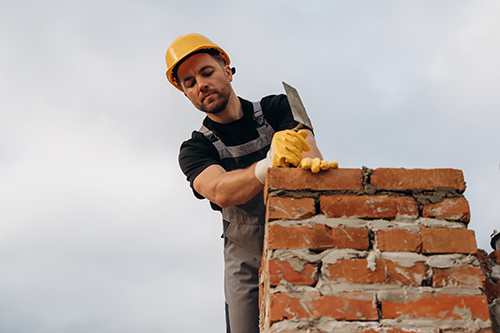
How Baron’s Chimney Helps
Living a few blocks from the ocean is one of the best parts of life in Long Branch. Your chimney sees it differently. Salt-laden air, wind-driven rain from nor’easters, and the freeze-thaw swings of a Jersey Shore winter wear down brick, mortar and metal far faster than they would inland. Water is the number one enemy of a masonry chimney, and on the coast it shows up from every direction. That is why homeowners from Elberon to the West End rely on a dedicated chimney service Long Branch families trust: Baron’s Chimney. Here is what shore weather does to your chimney, the warning signs to watch for, and how the right repairs keep water out for good.
Why Coastal Chimneys Age Faster

A chimney is the tallest, most exposed part of most homes. In Long Branch, that exposure comes with three extra stresses:
- Salt air. Airborne salt settles on masonry and soaks in with moisture. As the water evaporates, salt crystals form inside the brick and mortar, slowly breaking them apart from within. Salt also speeds up rust on steel caps, dampers and flashing.
- Wind-driven rain. Ocean storms push rain sideways and upward, forcing water into hairline cracks and gaps that ordinary rainfall would never reach.
- Freeze-thaw cycles. Water that soaks into masonry expands when it freezes. Repeat that dozens of times each winter and small cracks become loose bricks and crumbling joints.
Warning Signs of Chimney Water Damage
Water damage usually starts small and out of sight. Watch for these signs inside and outside your home:
- White, chalky stains on the brick (efflorescence). These are mineral and salt deposits left behind as water moves through the masonry.
- Spalling brick. Brick faces that flake, pop off or crumble are a classic sign of trapped moisture and freeze-thaw damage.
- Missing or sandy mortar. If you can scrape mortar out of the joints with a key, water is getting in.
- Water stains on ceilings or walls near the chimney. These often point to failed flashing where the chimney meets the roof.
- Rust on the damper, firebox or chimney cap. Rust means water is reaching metal parts that should stay dry.
- A musty or damp smell from the fireplace, especially after a storm or on humid summer days.
- A leaning or tilting chimney. This is a sign of serious structural damage and calls for immediate professional attention.
How a Chimney Service Long Branch Keeps Water Out
Stopping chimney leaks is about protecting each point where water gets in. Baron’s Chimney focuses on the repairs that matter most for shore homes.
Chimney Crown Repair and Rebuilding
The crown is the concrete slab that caps the top of the chimney. It is the chimney’s first line of defense against rain, and it takes the full force of the weather. Cracked or poorly built crowns let water pour straight into the masonry below. Small cracks can often be sealed with a flexible crown coating, while badly deteriorated crowns should be rebuilt with a proper overhang that sheds water away from the brick.
Flashing Repair and Replacement
Flashing is the metal seal between your chimney and your roof. Wind, salt and the natural movement of a house can loosen it or corrode it over time. Caulk alone rarely solves the problem for long. Properly installed step and counter flashing gives a lasting, watertight joint and is one of the most common fixes for leaks that show up on ceilings near the chimney.
Tuckpointing and Brick Repair
Tuckpointing removes worn mortar and replaces it with fresh mortar matched to your chimney. Damaged or spalled bricks are replaced before the problem spreads. Catching mortar wear early is far less expensive than rebuilding a section of chimney later.
Masonry Waterproofing
Brick is naturally porous. A breathable, vapor-permeable water repellent made for chimneys keeps rain and salt spray out while still letting trapped moisture escape. That breathability is important: ordinary paint or sealers can lock water inside the brick and make spalling worse.
Stainless Steel Caps Built for the Shore
A galvanized cap may rust through in a few seasons near the ocean. Stainless steel or copper caps stand up to salt air much better and keep rain, birds and debris out of the flue.
Why Timing Matters After Storm Season
Late fall is the ideal time to address chimney water damage. Summer and early fall storms may have opened new cracks, and fixing them before the first hard freeze stops the freeze-thaw cycle from turning minor damage into major repairs. Spring is the other smart window, after winter has done its worst and before summer humidity sets in. Many masonry repairs also need temperatures above freezing to cure properly, so scheduling early gives you the best results.
Frequently Asked Questions
Is a leaking chimney a roofing problem or a chimney problem?
It can be either, but most leaks around a chimney come from the chimney itself: the crown, the flashing, the cap or porous brick. A chimney specialist can trace where the water is actually coming from so you don’t pay to fix the wrong thing.
Can I just seal my chimney myself?
Many hardware-store sealers are not breathable and can trap moisture inside the brick, which leads to more spalling. Waterproofing works best after cracks and mortar joints have been repaired and with a product made specifically for chimney masonry.
My fireplace isn’t used much. Do I still need to worry?
Yes. Water and salt damage happen whether or not you light a fire. In fact, a chimney that sits unused for years can hide leaks and rot until the damage spreads into walls, ceilings and framing.
Trust Baron’s Chimney for Chimney Service Long Branch
Your chimney works hard to stand up to life at the Jersey Shore. A little attention now keeps salt, rain and ice from turning into rebuilt masonry, stained ceilings and damaged framing later. If you have noticed white stains, crumbling mortar, rusty metal or a leak near your fireplace, contact Baron’s Chimney, the chimney service Long Branch homeowners count on, and get your chimney ready for whatever the ocean sends your way.